The short answer
How a shipment travels
From our cutting table in Surat to your stockroom, a typical courier shipment looks like this.
- Surat Packed by size, invoice with origin declaration
- Export clearance Handled by us, 1–2 days
- Air courier 3–6 days to the UK
- UK customs Courier clears it with your EORI; 0% duty
- Your door Import VAT settled or postponed
Step 01
Get a GB EORI number
Every business that imports goods into Great Britain needs an EORI number starting with GB. It is free and you apply on GOV.UK with your Government Gateway login, your VAT number (if you have one) and your business details.
- Cost
- Free
- Time
- Often immediate, sometimes up to a week
- Give it to
- Your supplier and your courier
Tip. Apply before you order samples. A shipment without an EORI can sit at customs.
Step 02
Set up postponed VAT accounting
Import VAT is 20% of the value of the goods plus shipping. If you are VAT-registered, postponed VAT accounting (PVA) lets you declare and reclaim it on the same VAT return, so no cash leaves your account at the border.
- You don’t apply for PVA in advance. You tell your courier you want to use it when they contact you.
- Sign up to the Customs Declaration Service on GOV.UK so you can download your monthly postponed import VAT statement for your return.
- Not VAT-registered? You pay the import VAT (and the courier’s handling fee) before delivery. You can’t reclaim it, so include it in your pricing.
Step 03
Order a sample first
Never place a bulk order from photos alone. Ask for finished dresses in your best-selling size. With us, a £39 sample pack brings three dresses in UK 10, and the £39 is credited on your first order.
- Ask for
- Finished dresses, not fabric swatches only
- Arrives
- 7–10 days
Step 04
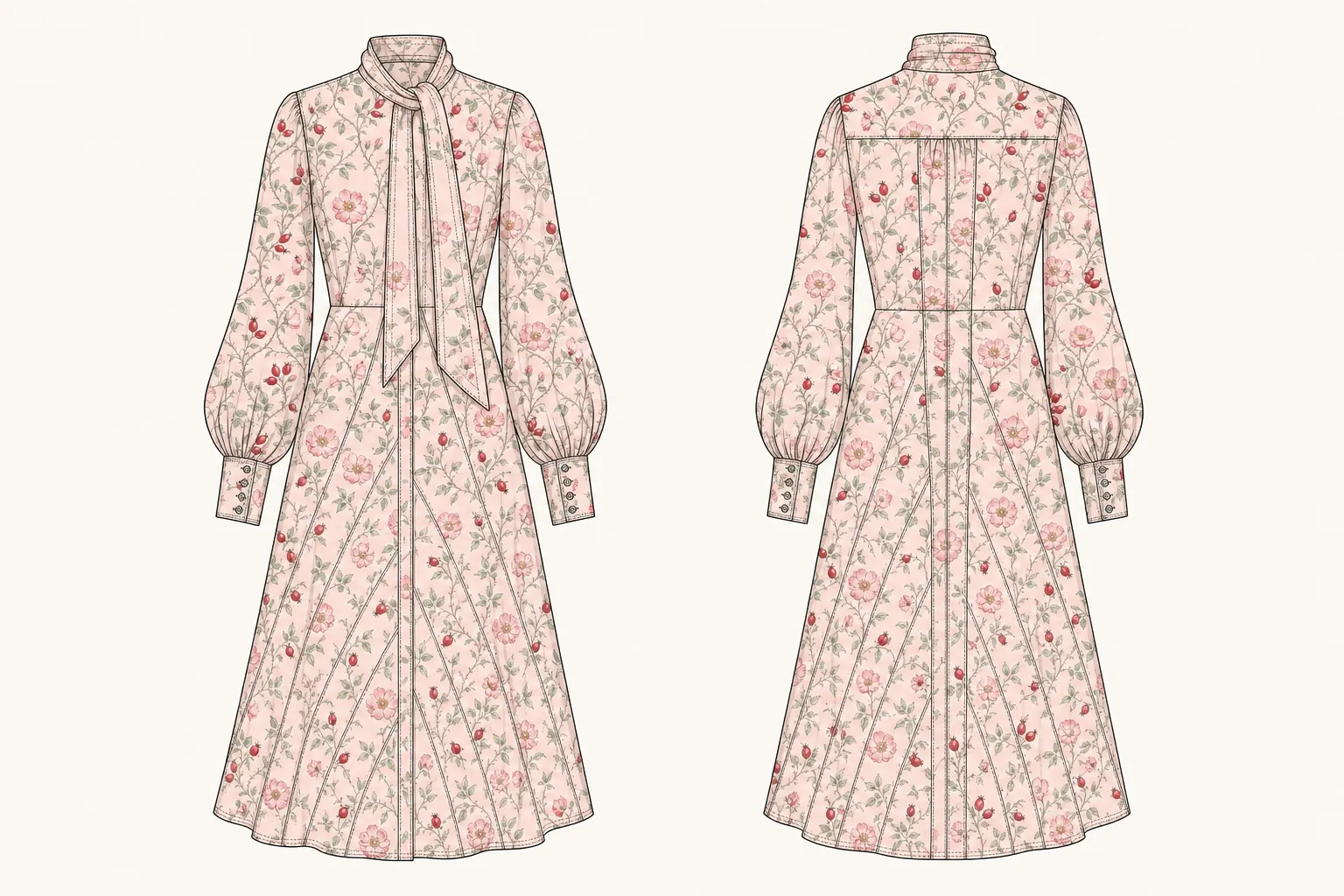
Check the sample properly
Lay it out in daylight and go through this list before you commit to 30 pieces.
- Fabric weight and hand feel; hold it to the light to see if it is see-through.
- Print colours against the artwork you were shown.
- Seams and hems: straight, no loose threads, smocking and gathers even.
- Fit: measure bust, waist, hip and length against your usual size chart.
- Wash one piece as the care label says and check shrinkage and colour.
Step 05
Confirm the order and duty status in writing
Since the UK–India Comprehensive Economic and Trade Agreement (CETA) came into force in July 2026, dresses that originate in India enter the UK at 0% duty instead of 12%. “Originate” means enough of the dress’s value is added in India, through printing, cutting and sewing. Ask your supplier to confirm, for each style, the commodity code and that it qualifies.
| Dress | Commodity heading | Standard duty | With CETA origin |
|---|---|---|---|
| Printed viscose | 6204.44 | 12% | 0% |
| Printed cotton | 6204.42 | 12% | 0% |
Commercial invoice · example
Origin declaration: the exporter declares these products are of India preferential origin, in the wording the UK–India agreement sets out.
The origin declaration is what unlocks 0% duty. Check it is on every invoice.
Step 06
Shipping and customs clearance
Most small wholesale orders travel by air courier on DAP terms: the supplier pays to get the parcel to your door, and you are the importer.
| Term | Who pays shipping | Who pays import VAT and duty |
|---|---|---|
| DAP · delivered at place | Supplier | You |
| DDP · delivered duty paid | Supplier | Supplier |
| EXW / FOB | You | You |
When the parcel reaches the UK, the courier will email or text you to confirm the import: give your EORI and VAT number and say you are using postponed VAT accounting. They may charge a small clearance fee.
Step 07
Receive and check the delivery
- Count pieces per print and per size against the packing list before you sign anything off.
- Spot-check a few dresses from each size against the approved sample.
- Photograph and report any fault within the supplier’s claims window (ours is 7 days).
Step 08
Label, sell and reclaim the VAT
- Fibre content (for example “100% viscose”) must be on every textile sold to consumers in the UK.
- Care labels aren’t a legal requirement, but customers expect them.
- Country of origin isn’t compulsory on clothing in the UK; many boutiques like “Made in India” on the label.
- Want your own neck label? Agree it before production starts.
- Reclaim the import VAT on your next VAT return using the postponed import VAT statement.
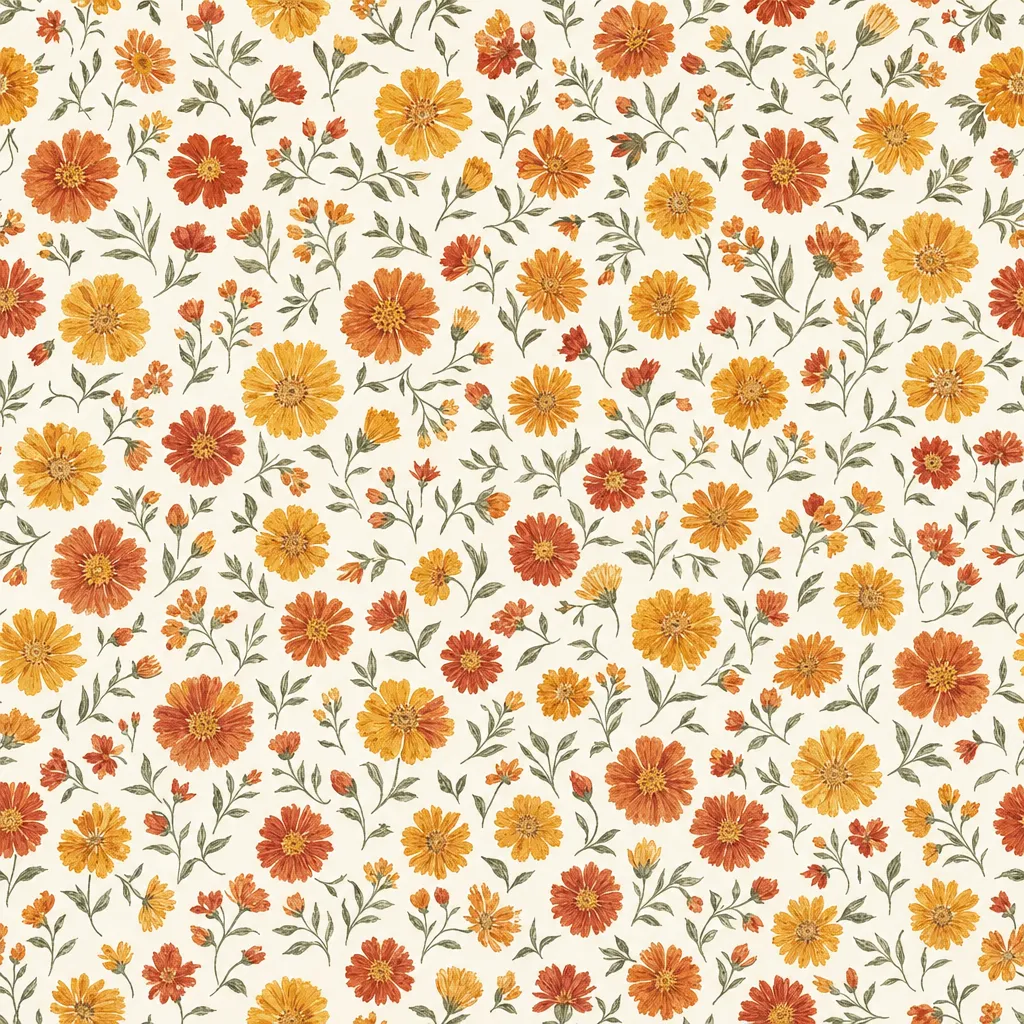
Marigold Ditsy
100% VISCOSE
MADE IN INDIA
Cool gentle wash · do not bleach · cool iron · do not tumble dry
UK 12
Landed cost, worked example
A starter order of 30 printed viscose dresses at £14 each, DAP, for a VAT-registered boutique.
Example only. Customs value and VAT are worked out by your courier from the invoice and shipping cost.
When to buy
With about four weeks from order to delivery, place spring/summer orders by late January to have stock on rails in March.
Checklist before your first order
- GB EORI number ready.
- VAT number to hand, and CDS access for postponed VAT statements.
- Sample approved in your best-selling size.
- Duty status (0%) and commodity code confirmed in writing for each style.
- Delivery terms (DAP or DDP) and total landed cost agreed.
- Fibre-content and care labels confirmed.
- Payment terms and dispatch date in writing.
This guide is general information, not legal or tax advice. Rules change, so check GOV.UK or ask your accountant. Written by Ruvelle Exports, a dress manufacturer in Surat. Last updated 1 November 2026.